Loading
 Back to Wine List
The Collection
Bold wines built for contemplation.
The Selection
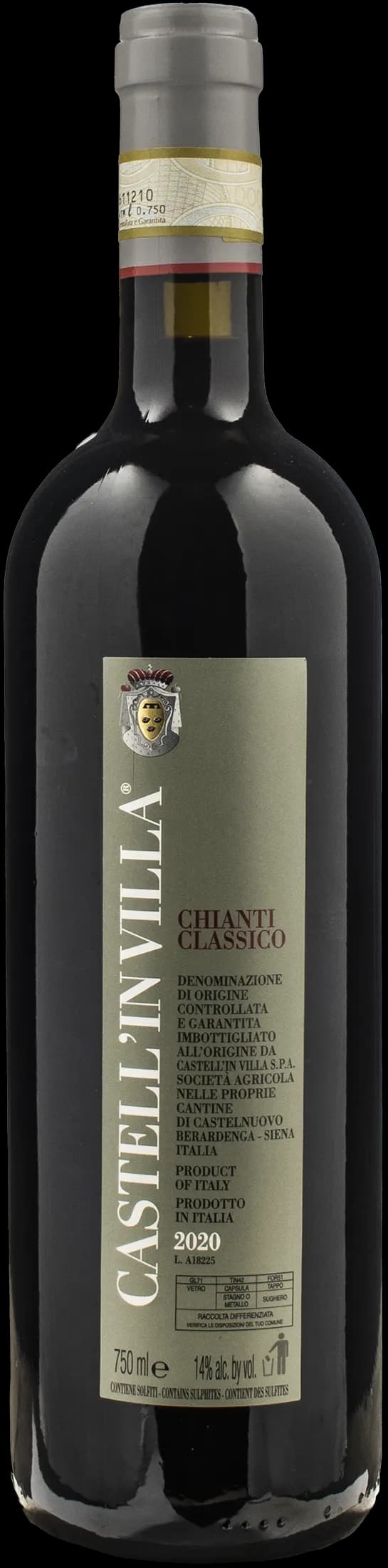
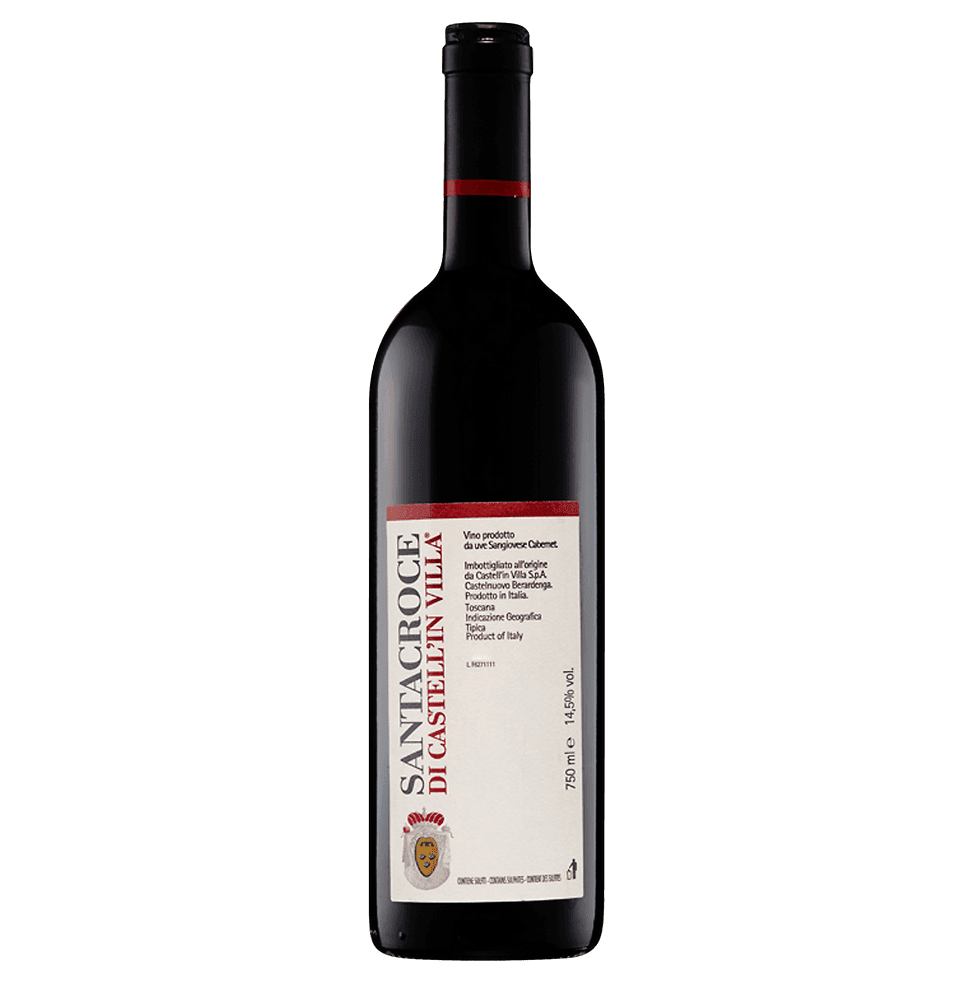
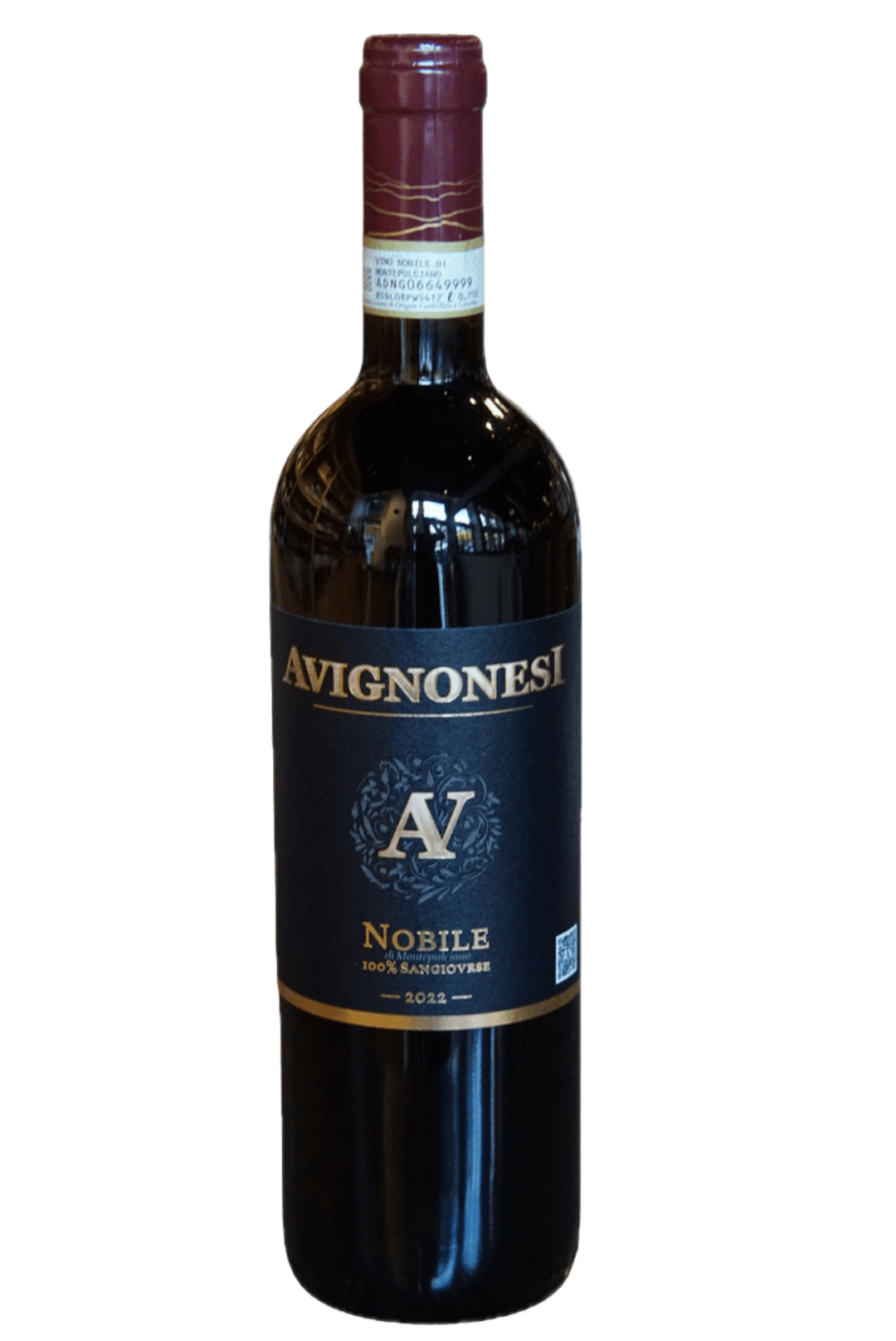
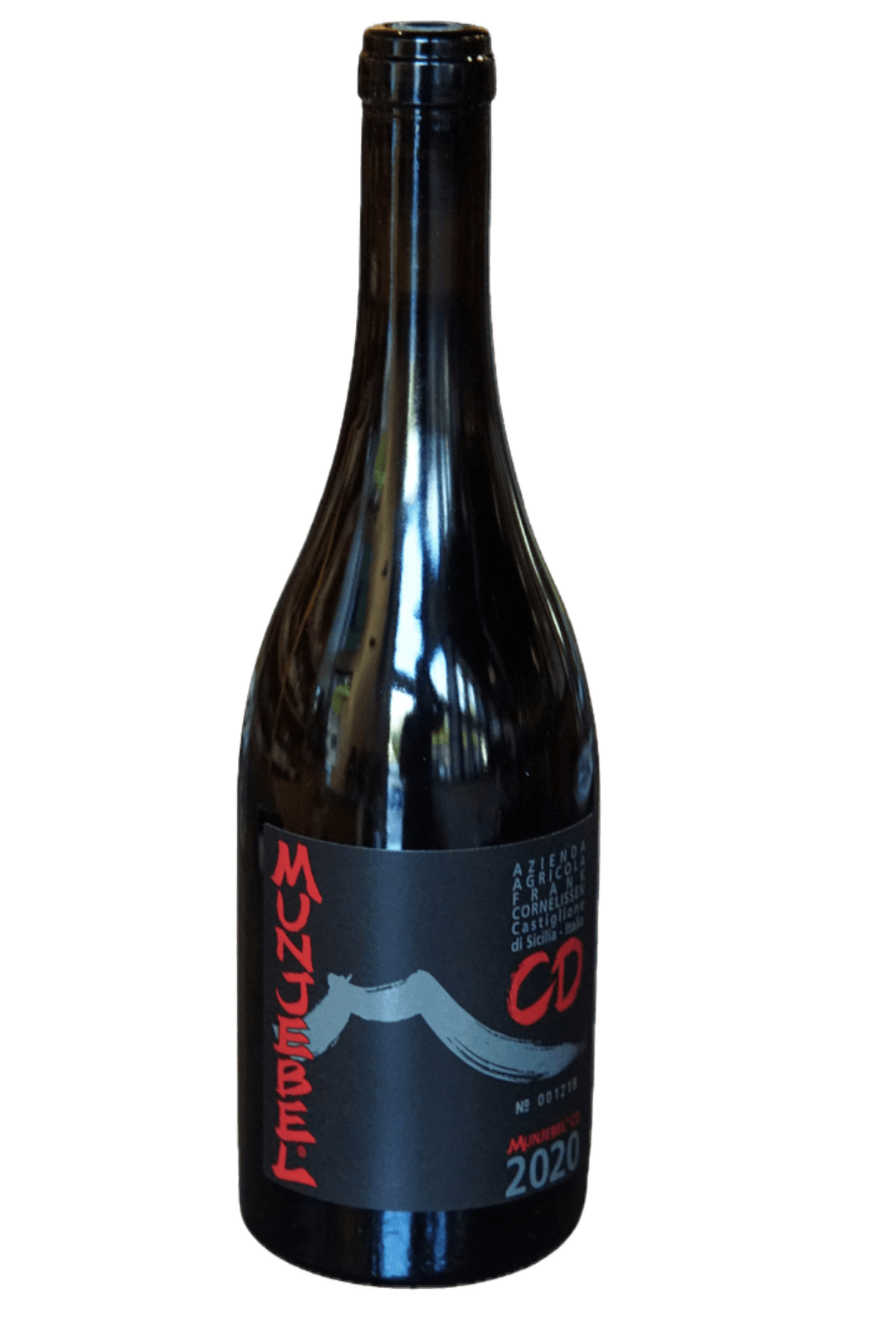
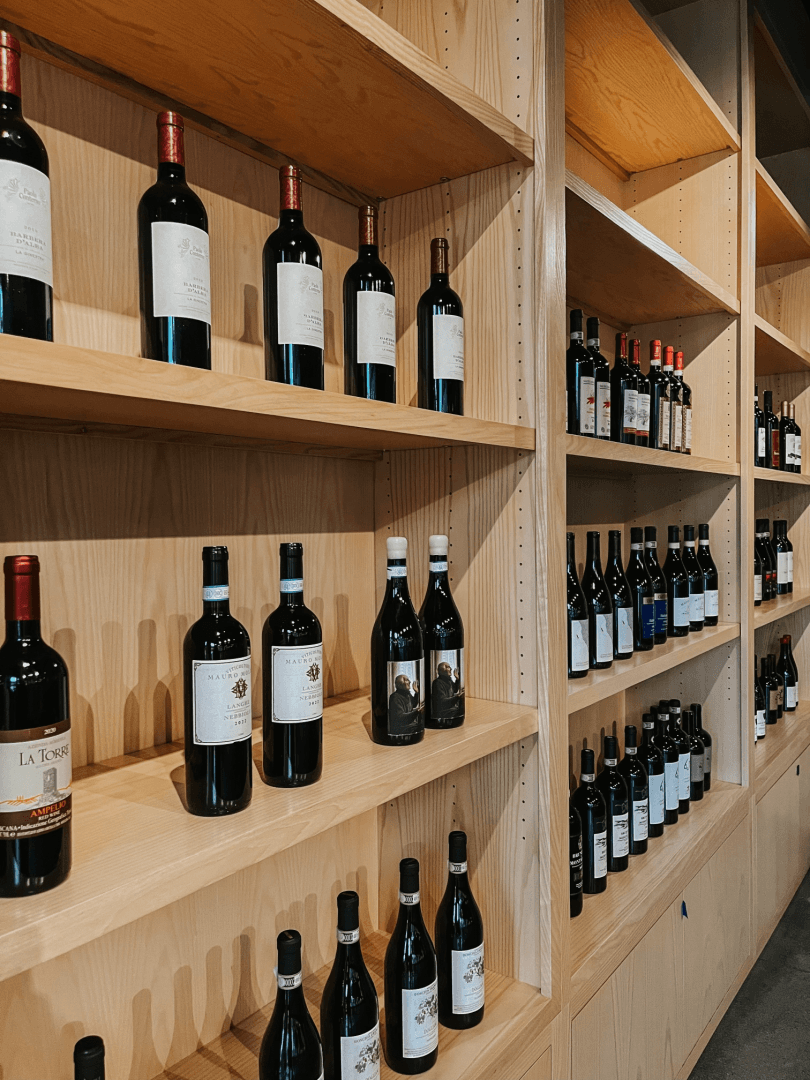
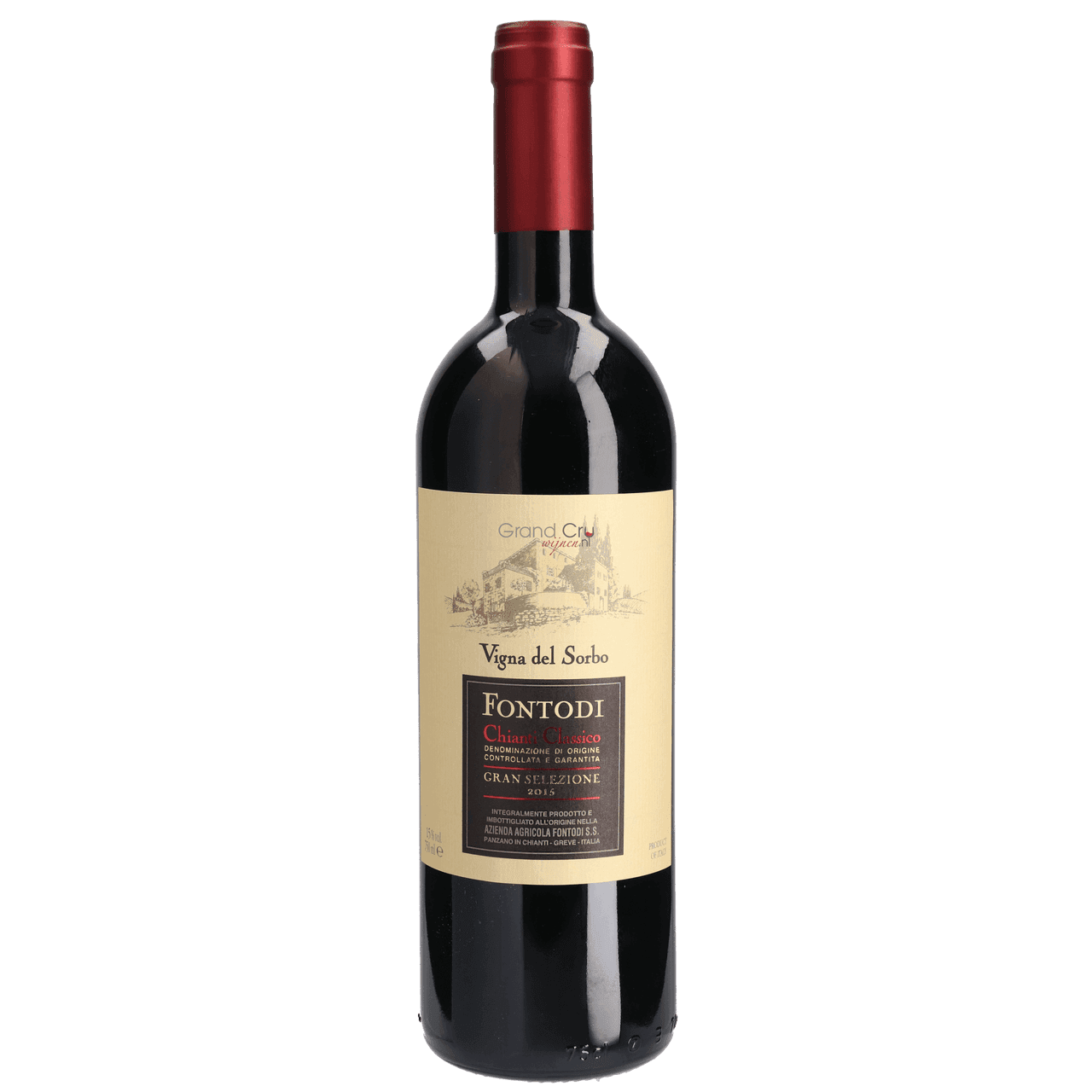
Browse current structured reds available through the Bar Torino bottle shop before reading the deeper style and pairing notes below.
The Story
The great structured reds of Italy represent the highest ambition of the winemaker's art.
To produce a wine so dense with flavor, so layered in complexity, and so firmly built in its architecture of tannin and acidity that it requires not months but years, sometimes decades, to reveal its full character.
These are wines that demand patience. They reward it with experiences that no other category of wine can replicate: moments when a bottle that has been sleeping in a cellar for fifteen or twenty years pours out something that transcends the sum of its ingredients, something that tastes not just of grape and soil but of time itself.
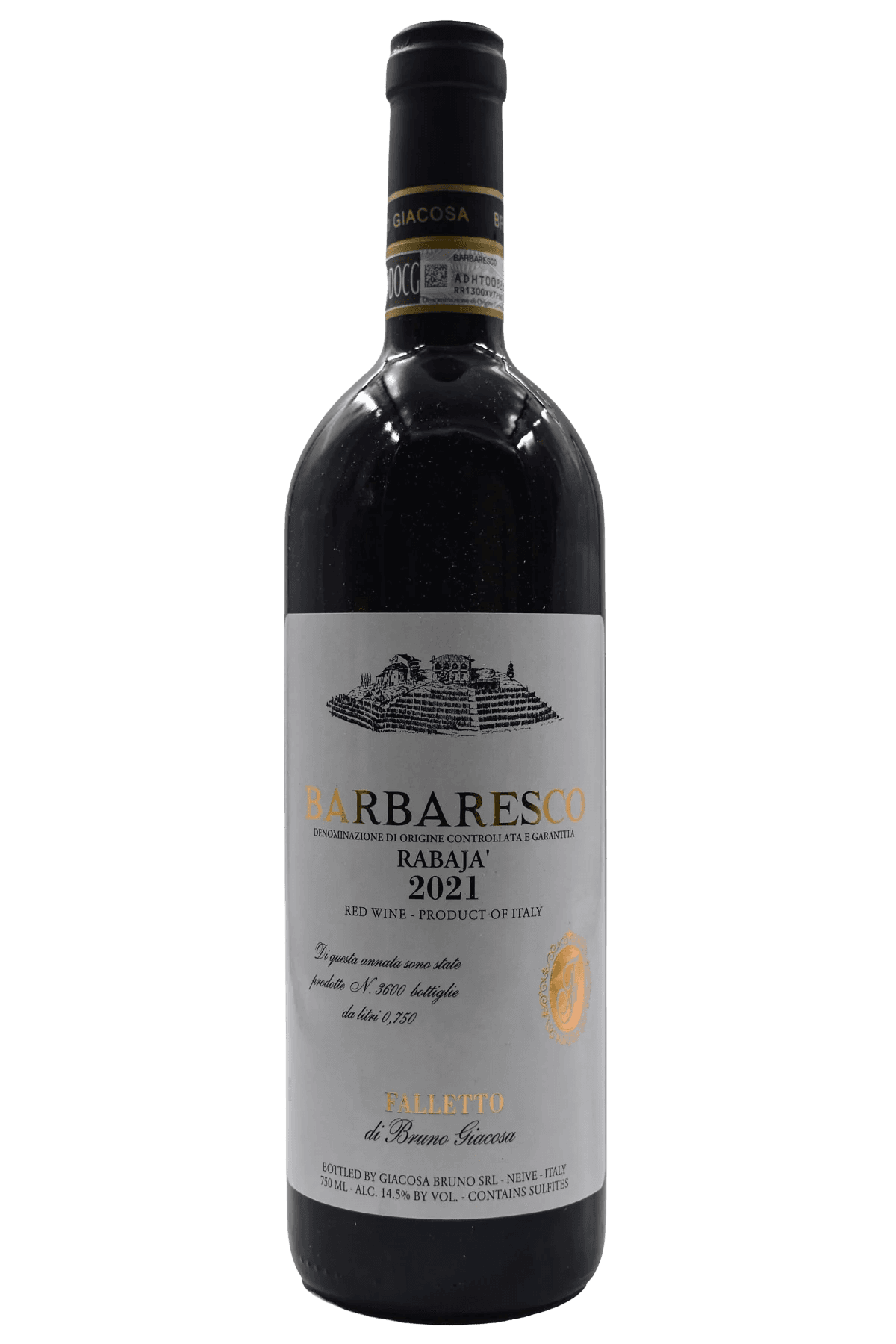
“The wine of kings and the king of wines.”
Traditional Italian saying about Barolo
The story of Barolo begins in the nineteenth century in the Langhe hills of Piedmont, when French oenologists were invited to help local producers transform their cloudy, often semi-sweet wines into the dry, powerful, cellar-worthy Nebbiolo that the world knows today. The French brought technique, discipline, and the ambition to make wines that could stand alongside the great Bordeaux and Burgundies.
The Process
The production of great structured red wine is an exercise in controlled extraction and patience. The goal is to draw from the grape skin every bit of color, flavor, and tannic structure it contains, and then to allow time, in barrel and bottle, to transform those raw materials into something harmonious and complete.
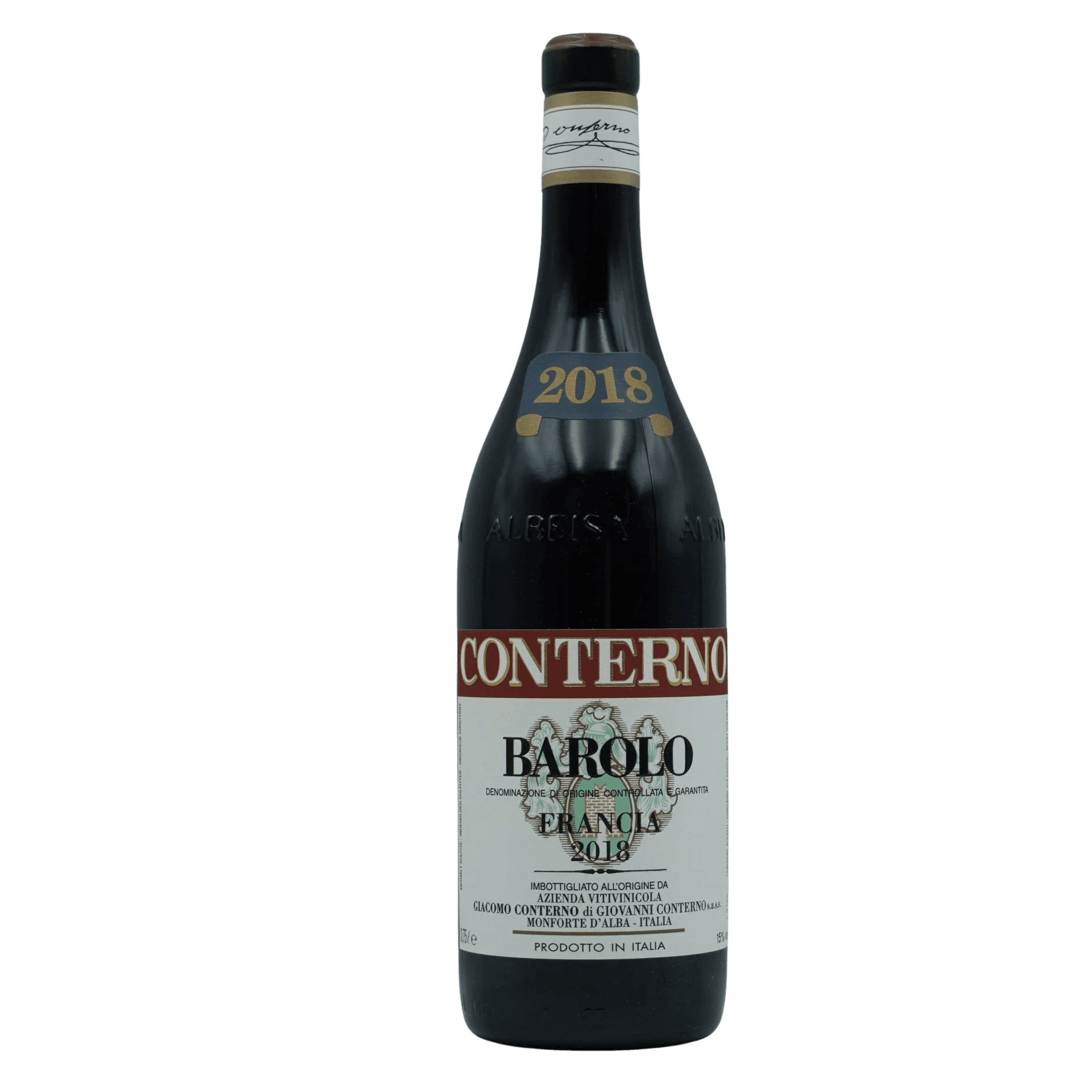
Extended maceration is the defining technique. After the red grapes are crushed, the juice remains in contact with the skins for weeks, sometimes longer. At Giacomo Conterno, the Barolo Francia macerates for three to four weeks. The legendary Monfortino Riserva macerates for up to five weeks with no temperature control whatsoever.
The Craft
Three to five weeks of skin contact extracts color, tannin, and phenolic compounds. Pump-overs and punch-downs manage extraction intensity. The longer the maceration, the more structured the wine.
Slavonian oak casks of 20-80 hectoliters provide slow, gentle oxidation without imparting overt oak flavor. No vanilla, no toast, just gradual tannin softening and aromatic evolution over years.
The most important ingredient. A Barolo at three years is a rough sketch. At ten, it reveals its structure. At twenty, it reaches its plateau. At thirty, the greatest bottles are still evolving.
The Grapes
Italy's noblest grape and one of the most singular varieties in the world. Named for the nebbia, the autumn fog that blankets the Langhe hills during harvest. Produces wines paradoxically pale in color and immense in structure.
A young Barolo can look like Pinot Noir in the glass, translucent garnet with an orange-brick rim, yet deliver a tannic punch rivaling the most extracted Cabernet Sauvignon. The unmistakable perfume of tar and roses defines the variety.
Tuscany's defining grape, the backbone of Chianti, Brunello di Montalcino, and Vino Nobile di Montepulciano. A grape of tremendous versatility producing everything from simple table wines to profound, age-worthy bottles.
At its best: sour cherry, plum, dried herbs, earth, leather, and tobacco, with a savory, slightly bitter finish that makes it one of the most naturally food-friendly red grapes in the world.
Southern Italy's answer to Nebbiolo: a grape of immense tannic power, dark fruit intensity, and extraordinary aging potential, grown on the volcanic soils of Campania and Basilicata.
Called “the Barolo of the South” for its tannic power and capacity to age for decades. Dark, brooding, volcanic: black cherry, plum, smoke, tar, leather, and mineral intensity from ancient volcanic soils.
The Regions
A small corner of the Langhe hills in southeastern Piedmont, roughly 50 kilometers south of Turin. An undulating sea of vine-covered hillsides, punctuated by medieval villages perched on ridgelines, with the snow-capped Alps visible to the north on clear days.
The soils are ancient marine sediments from when this area was beneath the Adriatic Sea. The Tortonian marls of La Morra are sandier, producing elegant wines. The Helvetian marls of Serralunga are richer in limestone, producing wines of greater power and longevity.
The hills between Florence and Siena in central Tuscany hold olive groves, cypress-lined roads, stone farmhouses, and vineyards cultivated since at least the Etruscan era. Soils of galestro (mineral-rich clay) and alberese (dense limestone) contribute to Sangiovese's characteristic acidity.
Panzano sits in the Conca d'Oro, the “golden shell,” an amphitheater of south-facing slopes producing the most concentrated Chianti Classico wines.
The mountainous interior of Campania, roughly 80 kilometers east of Naples. Vineyards at elevations between 400 and 700 meters on volcanic soils of tuff, ash, and pumice deposited by ancient eruptions.
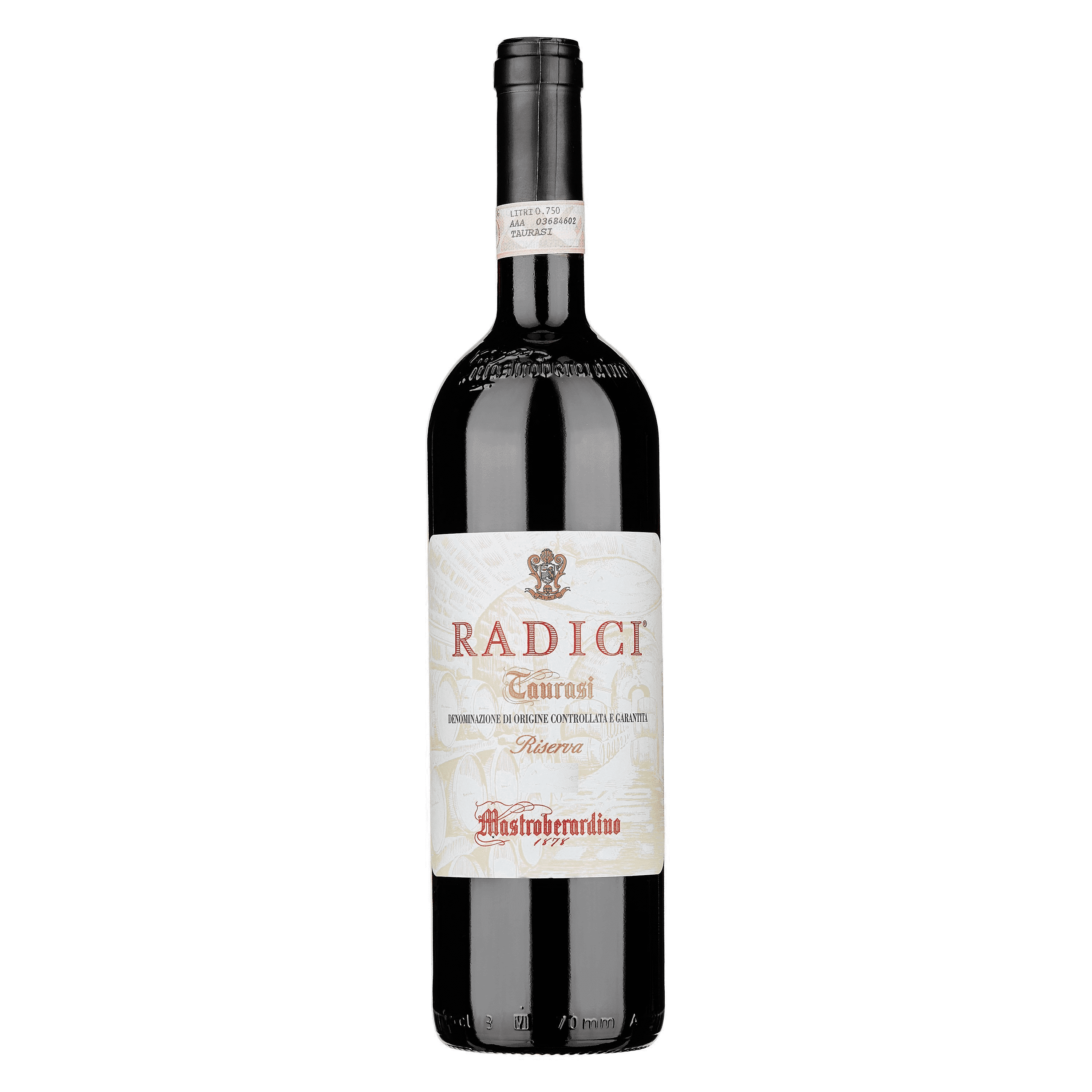
Mastroberardino, the estate that almost single-handedly preserved Campania's indigenous grape varieties, has been the standard-bearer for Taurasi for over ten generations.
At The Table
Structured red wines demand food of equal weight and intensity. These are not wines for salads or light appetizers. They are wines for the centerpiece of the table: braised meats, roasted game, truffled pastas, aged cheeses.
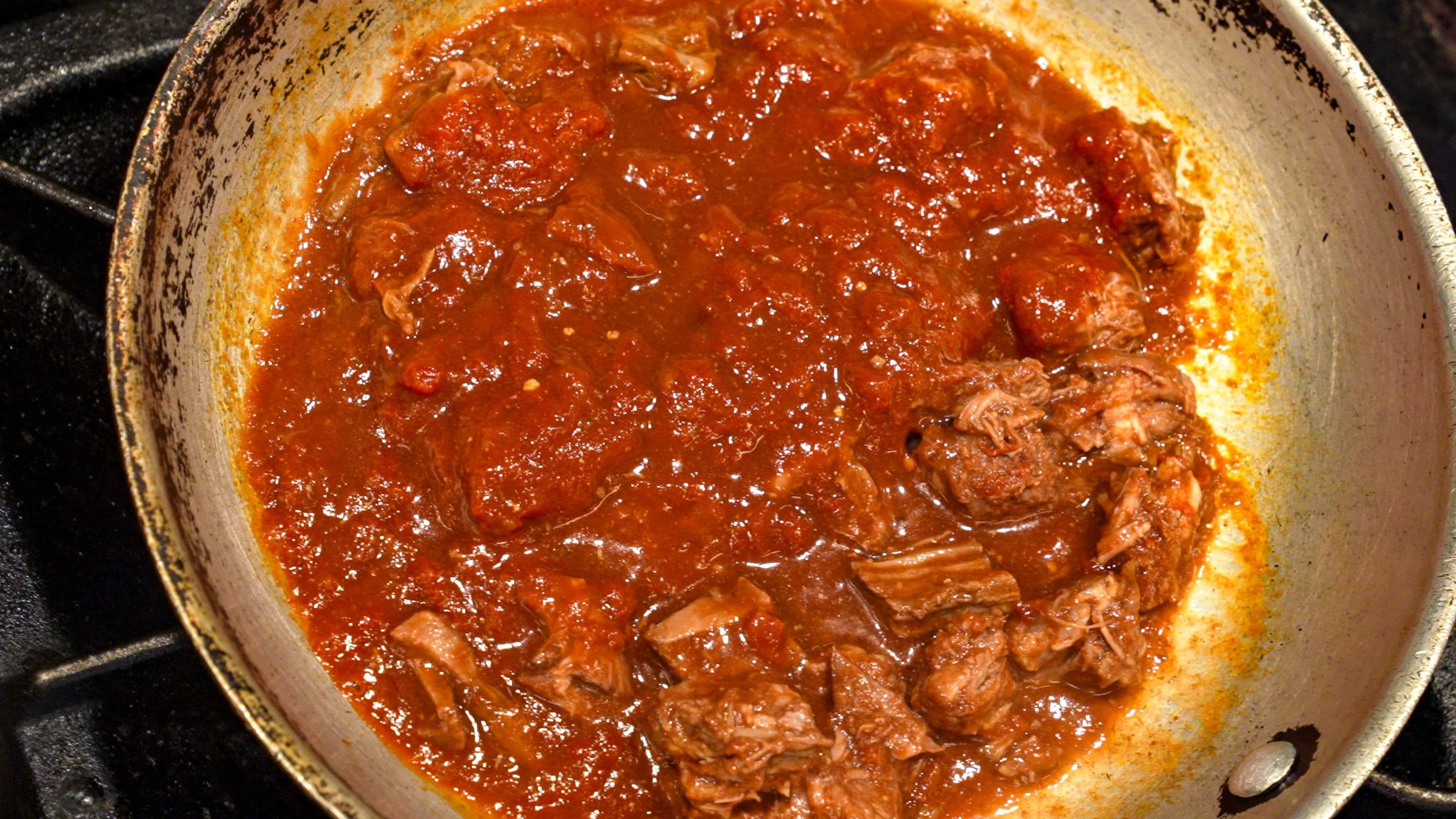
Brasato al Barolo, osso buco, lamb shanks, short ribs. The tannins bind with proteins, softening both wine and dish.
The pinnacle pairing for Nebbiolo. White truffle shaved over tajarin pasta meets the tar-and-roses perfume of aged Barolo.
Parmigiano-Reggiano aged 24+ months. The crystalline, umami-rich depth echoes the wine's savory complexity.
Bolognese with slow-cooked meat ragù, gnocchi cacio e pepe. Weight and structure meet weight and structure.
Venison, wild boar, duck. Dark, rich flavors find harmony with the earthy notes of Nebbiolo and Aglianico.
The Ritual
Temperature
Many serve reds too warm. A brief 15-20 minute chill brings the wine into ideal range.
Minutes to Decant
Exposure to oxygen softens tannins and opens aromatics. Essential for younger bottles.
Bowl Size
A wide Burgundy-style glass lets complex aromatics develop and concentrate at the rim.
Patience is the final element. These wines change dramatically over an hour in the glass. The first sip may be tight and tannic. The sixth sip, forty-five minutes later, may be silky and profoundly complex.
Explore our full collection of structured Italian reds, or reserve a table to experience them alongside our kitchen's seasonal offerings.